Experimental Technology Contest:Engineering-grade pole data, fast.Rules, prizes and dates are subject to innovation.
Are you the next dronetech startup?
Partner with the company already in the field.
The mission
Alamo Airborne collects pole data for broadband and utility make-ready. Today that work is manual, slow and full of return trips. We want swarms that capture a pole completely, spot their own gaps, re-fly what was missed, and hand an engineer a package that is ready to use.
This challenge supports the work described on our BEAD make-ready page. We want to replace our current collection methods and processes with ones that are more accurate, more efficient, more thorough and, ultimately, more cost effective.
Two or more autonomous devices, no upper limit. Not limited to aircraft: ground robots, crawlers, tethered units or anything else that works.
A minimum of two energized poles and the span between them, managed or approved by Alamo Airborne. Ideally the system works continuously: when the checklist for one asset is complete, it continues to the next. The swarm goes from pole to pole, collecting, analyzing, self-correcting and continuing.
A complete evidence package: images, checklist, measurements with stated uncertainty.
The benchmark
The standard to beat
Our current collections are LiDAR, RGB, thermal and optional UV (corona emissions). This is the benchmark to beat and the baseline against which you demonstrate your capabilities.
Tracks
Only complete systems will be evaluated
Capture the Pole
A multi-aircraft swarm captures the full evidence checklist on both poles and the span.
Find the Miss
Given a flight dataset, your software flags the missing views and says where to re-fly. No aircraft needed.
Wildcard
360 capture, tethered, fewer larger aircraft, or something we have not thought of. Same scoring.
How it is judged (draft)
Complete evidence wins
Self-checking rewards a system that finds its own misses. Claiming a view is covered when it is not counts against you. Weights are a draft and will change.
Ground rules
Experimental on purpose
Future FAA rules for this kind of flying are unknown. We assume they will judge the system, not only the pilot. This challenge tests that assumption on real, energized poles, so autonomy is the point.
- Pilots
- Alamo Airborne provides licensed pilots in command if you need them.
- Hardware
- Any technology is welcome for testing. A production system would need to be built in the US from NDAA-compliant or Green UAS parts.
- Prize
- A go-to-market (GTM) strategy for your system, including equity in a new venture and retention of your IP.
- Dates and venue
- To be announced.
- Your designs
- You retain your IP. Terms for evaluation and the new venture will be published before registration.
- Safety
- All live-line flying follows Alamo Airborne safety rules and a pre-flight review. Details will be published.
- Dec 4, 2026 · 2:00 PM
- Registration and preliminary concept due
- Dec 11, 2026 · 2:00 PM
- Acceptance notices
- Jan 15, 2027 · 2:00 PM
- Contest closes. Final submissions due
Official rules
Eligibility, what to build, what to submit, judging, prizes, IP and safety.
Download the official rules (PDF)Inspo
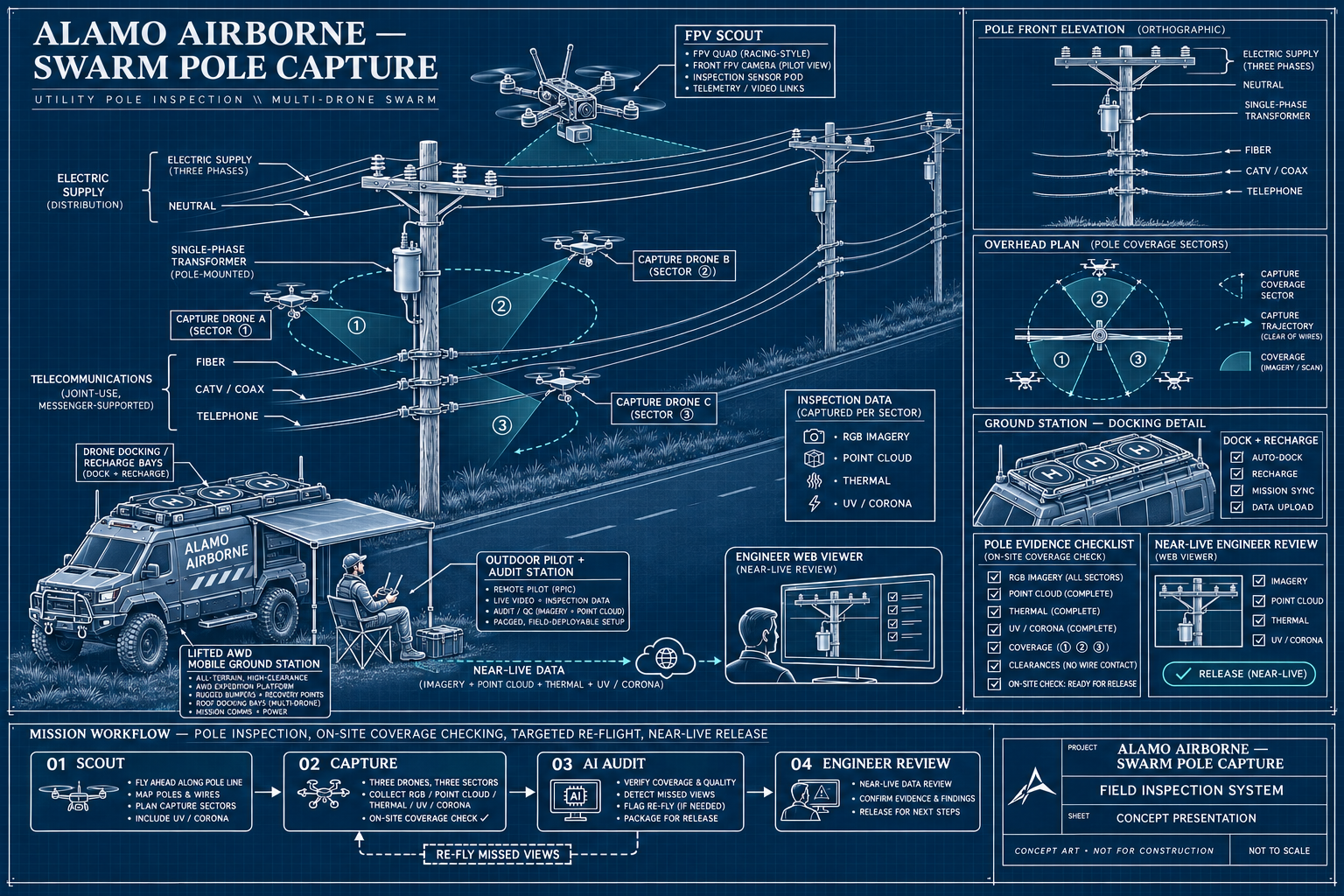
Swarm capture blueprint.
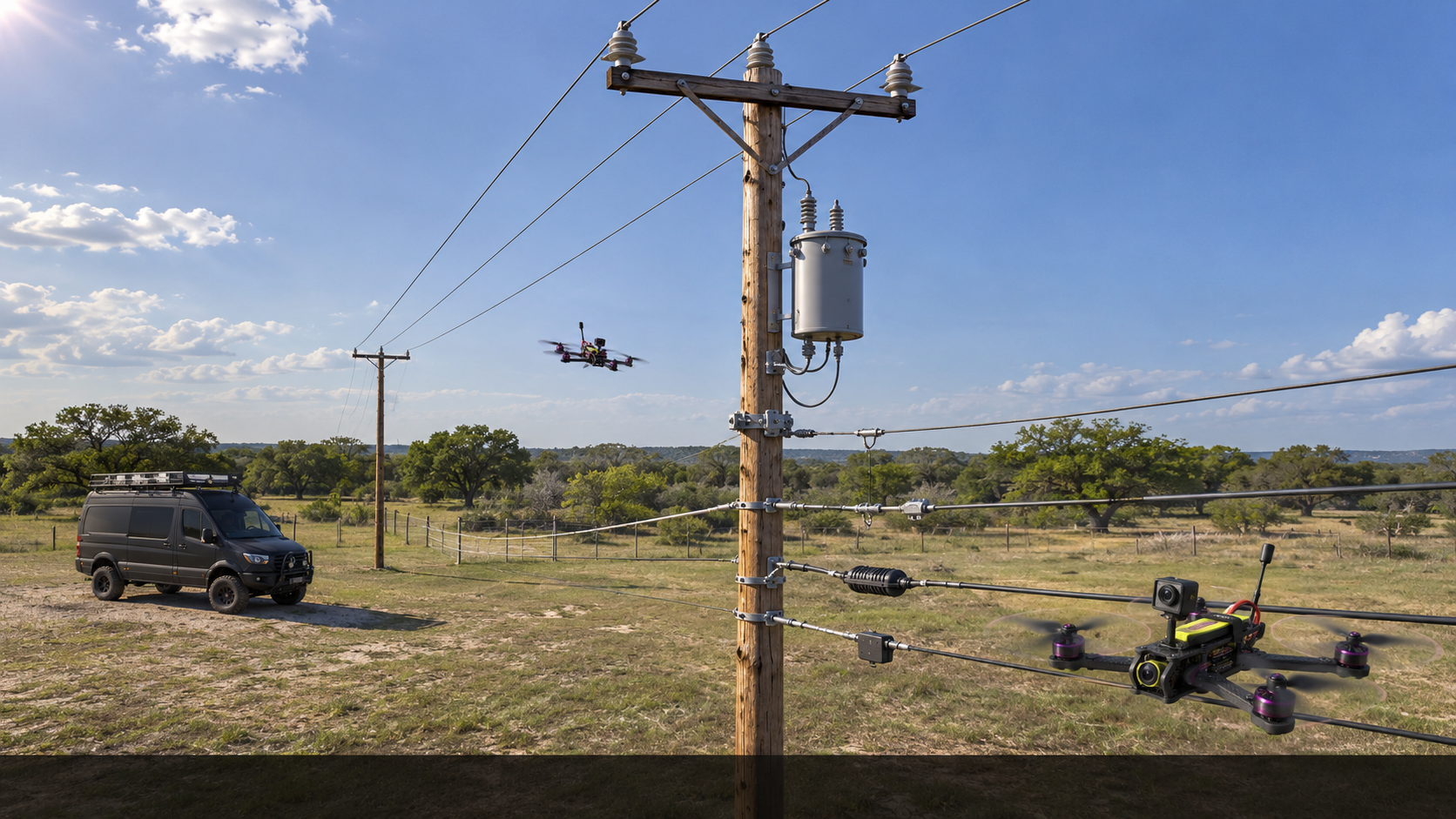
Concept keyframe. Not a photo of a real event.
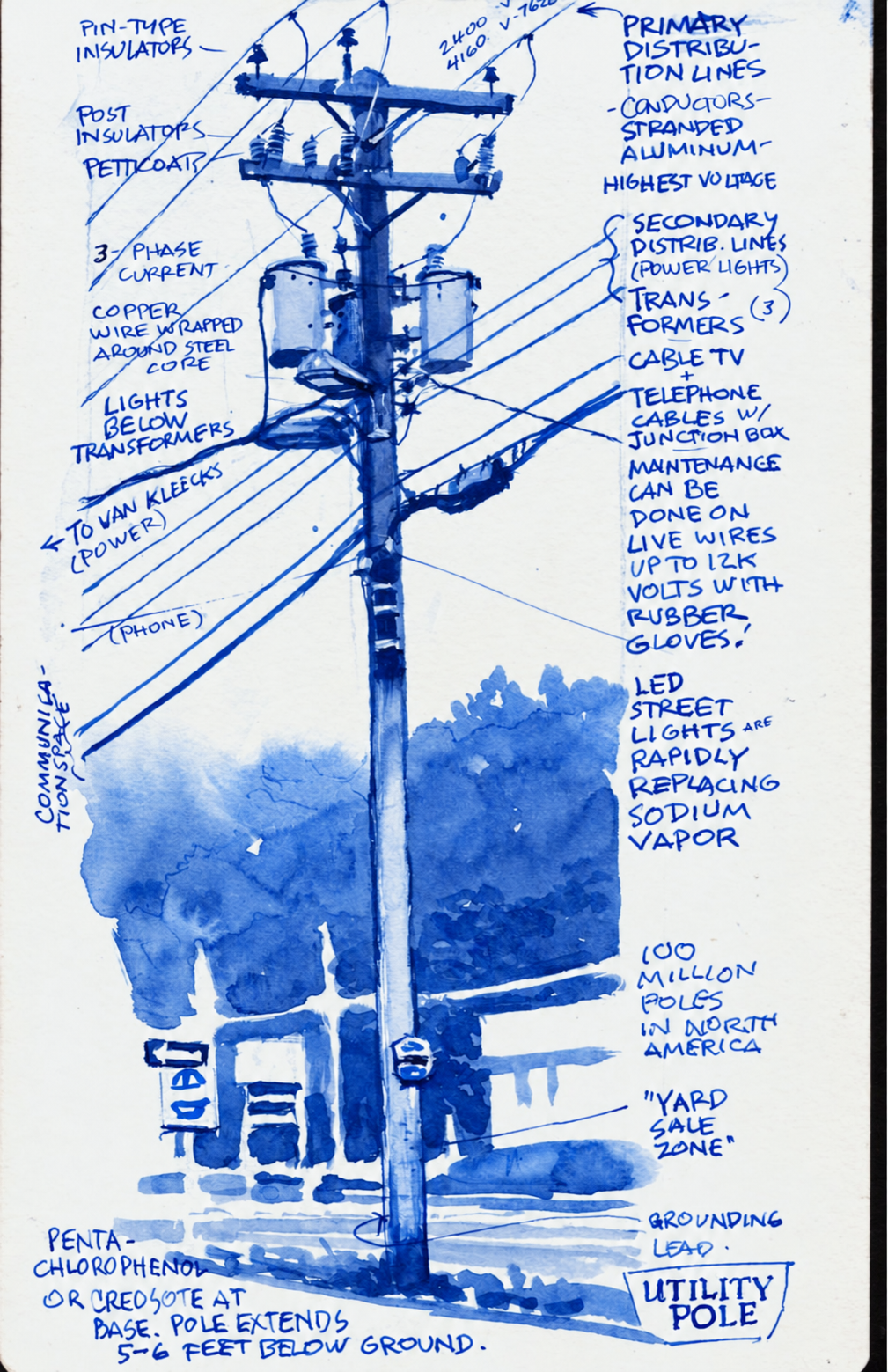
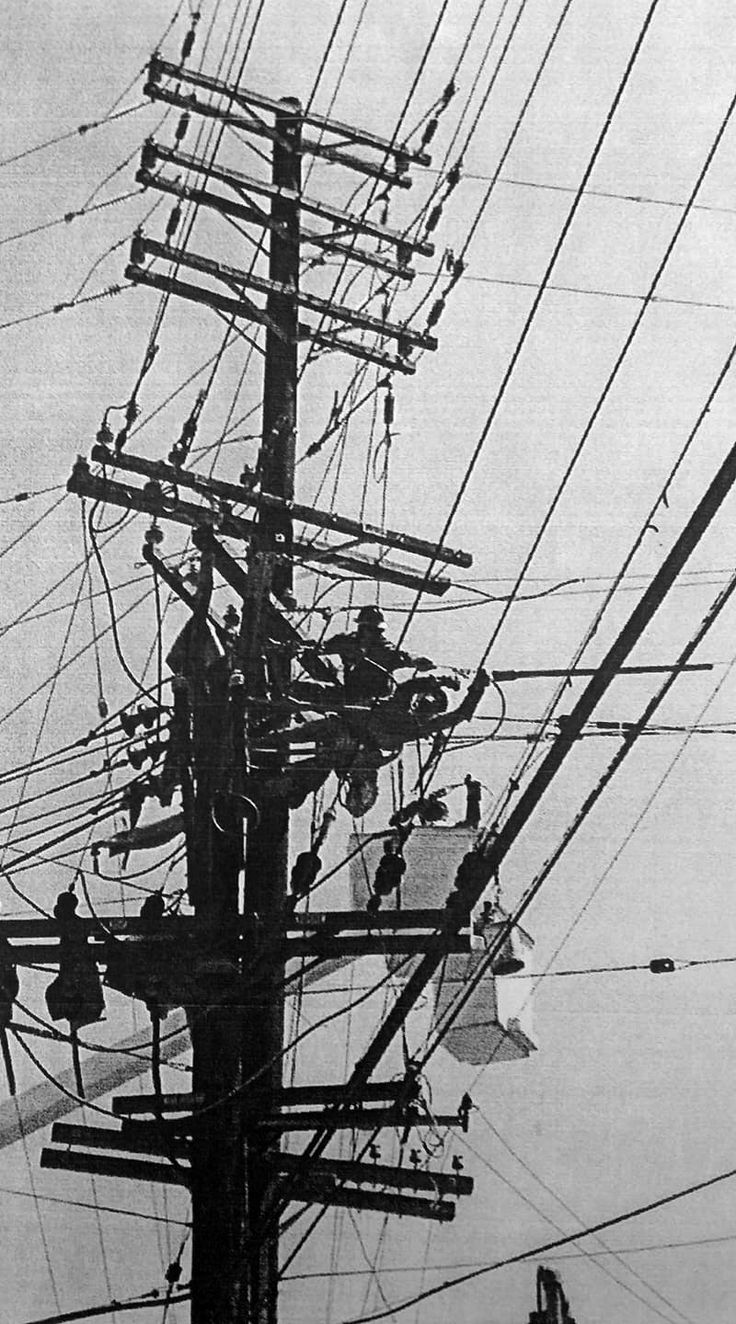
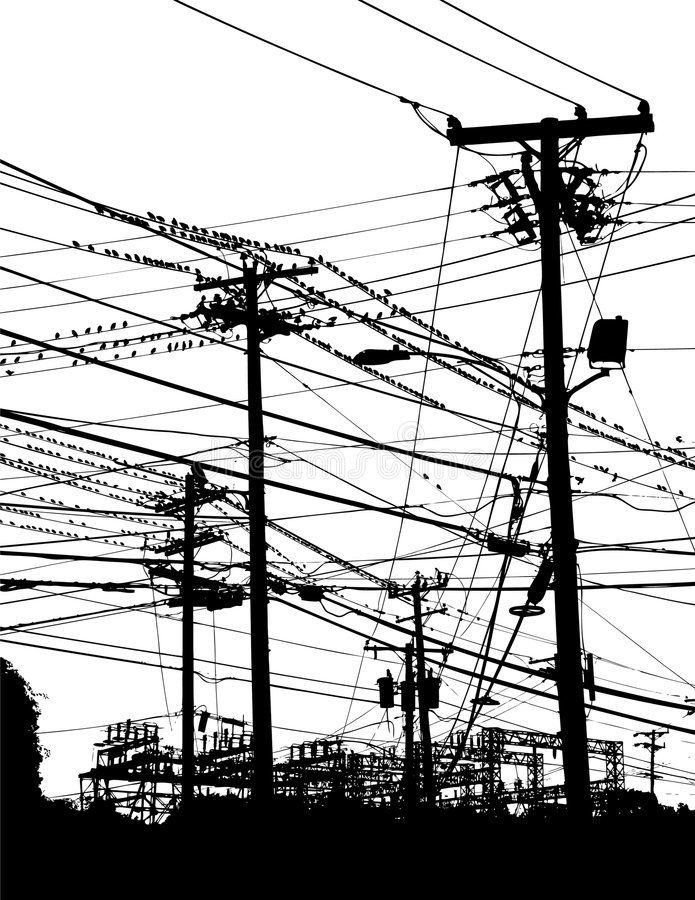
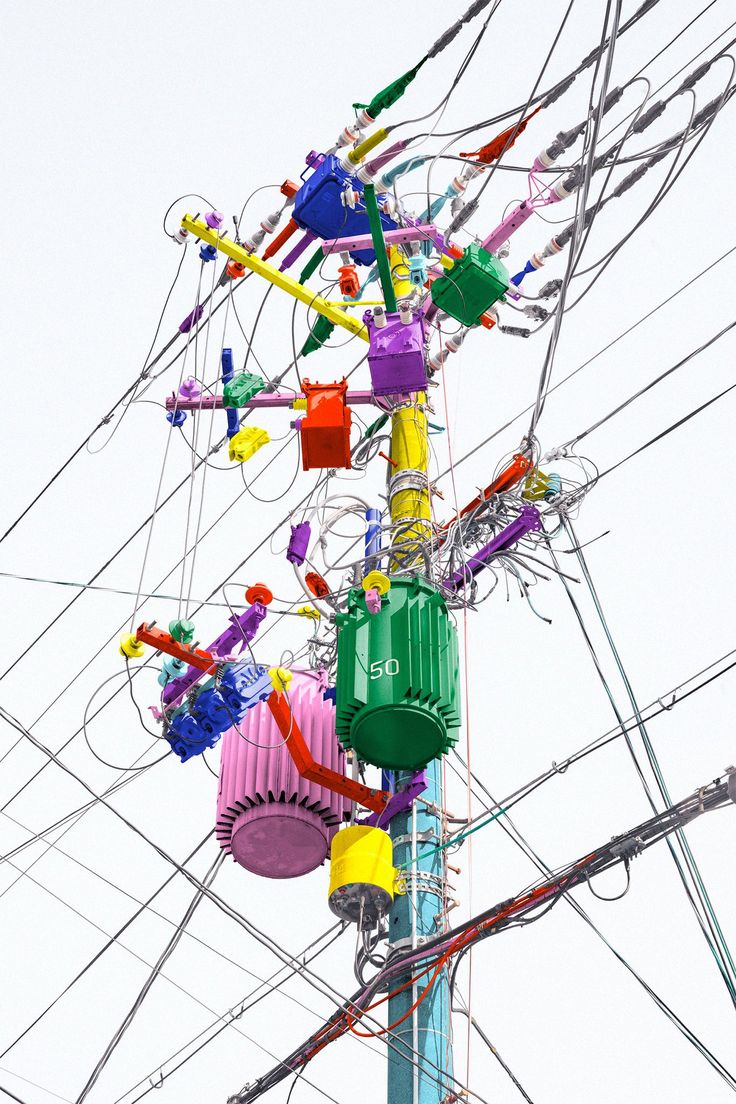
Everything on this pole is something your system has to see.


Interest list
Tell us what you would build
Send a few lines: who is on the team, what devices you would field, and what you want to test. Know a team that should see this? Pass it on.